IRS $2,000 Direct Deposit January 2026: As January 2026 edges closer, social media timelines and search results are again filling up with claims about an “IRS $2,000 direct deposit.” For many households already juggling rising costs and financial uncertainty, such headlines spark both hope and confusion. The idea of a fixed government payout landing automatically in bank accounts sounds familiar, especially after the stimulus-heavy pandemic years. But this time, the reality is far more routine and far less dramatic than viral posts suggest.
The discussion around a $2,000 deposit is not rooted in a new federal program or emergency relief package. Instead, it reflects a recurring misunderstanding of how tax refunds work and how averages are often misrepresented online. As the 2026 tax filing season approaches, it becomes important to separate expectation from fact. Knowing what the IRS has actually said, how refunds are calculated, and why timelines differ can help taxpayers plan better and avoid unnecessary anxiety during tax season.

Where the $2,000 Figure Really Comes From
The much-discussed $2,000 amount is not a promised payment but a rough reference point based on past refund averages. Over the years, the IRS has reported average federal tax refunds hovering around this range, depending on the year and economic conditions. Content creators and unofficial blogs often lift this figure out of context, presenting it as a confirmed deposit rather than a statistical midpoint.
In practice, a tax refund is simply the return of excess tax paid during the year. Employees whose employers withhold more tax than necessary, freelancers who overpay estimated taxes, or families qualifying for refundable credits may see refunds close to or far from $2,000. The figure varies widely, shaped by income, filing status, dependents, and credits claimed. There is no universal refund amount, and there never has been.

Why January 2026 Is Being Mentioned So Often
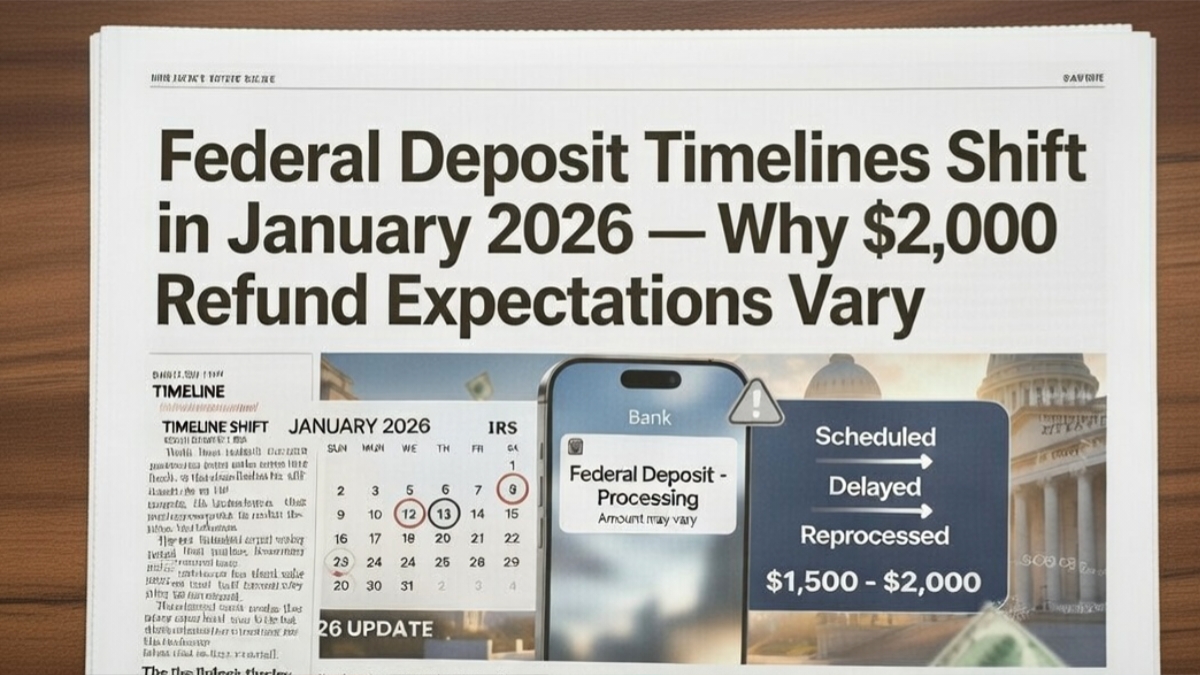
January appears in these discussions because it marks the informal start of the IRS filing season. Historically, the IRS begins accepting tax returns in the latter half of January, once systems are fully updated for the new tax year. Early filers who submit accurate electronic returns sometimes receive refunds before February begins, feeding the perception of a “January payment.”
However, this is not a scheduled payout date. Refund timing depends entirely on when a return is filed and how smoothly it clears IRS checks. The agency has repeatedly clarified that it does not issue blanket payments at the start of the year. January refunds are the result of early filing and efficient processing not a special calendar-based deposit.

Who Actually Benefits and Who Might Not
Taxpayers who overpaid their federal income taxes during 2025 stand to benefit from refunds in early 2026. This group includes salaried workers with conservative withholding, families eligible for credits like the Earned Income Tax Credit, and individuals who experienced changes in income mid-year. For them, a refund acts as a financial reset rather than a bonus.
On the other hand, not everyone receives money back. Those with insufficient withholding, complex income sources, or certain investment gains may owe additional tax instead. Others may see refunds delayed due to credit-related reviews or data mismatches. The key point often lost online is that refunds are individualized outcomes, not guaranteed benefits tied to a headline figure.

Refund Timelines: Why Some Wait Longer Than Others
The IRS continues to emphasize that electronic filing with direct deposit remains the fastest route to a refund. Under ideal conditions, most refunds are issued within 21 days. Yet this timeline stretches when returns require manual review, identity verification, or additional documentation. Claims involving refundable credits are legally held until late February, regardless of filing date.
Comparisons with previous years show a similar pattern. In 2023 and 2024, early filers without complications often saw funds within weeks, while others waited months. According to tax policy analyst R.K. Malhotra, “The system isn’t slow by design it’s cautious by necessity. Fraud prevention now plays a much larger role than it did a decade ago.”

Public Reaction and the Misinformation Cycle
The renewed buzz around IRS direct deposits highlights a broader issue: financial misinformation travels faster than official clarification. After pandemic-era stimulus checks, many Americans associate round-dollar figures with government aid. This expectation creates fertile ground for misleading narratives, especially during periods of economic strain.
Tax professionals note a surge in client queries every January tied to viral refund claims. While understandable, this cycle often distracts from more practical preparation, such as document collection and error checks. Experts predict similar rumors will resurface annually unless clearer financial literacy becomes part of public conversation.
Looking Ahead: What Taxpayers Should Expect Next
As of now, there is no indication of new stimulus-style payments tied to the 2026 tax season. Legislative focus remains on budget negotiations and long-term tax policy rather than direct cash distributions. Any major shift would require formal congressional approval and IRS announcements neither of which has occurred.
For taxpayers, the most realistic expectation is a standard filing season with familiar rules. Those who file early, avoid errors, and choose direct deposit may receive refunds sooner, but amounts will vary. The IRS continues to urge reliance on official tools like “Where’s My Refund?” rather than third-party claims circulating online.
Disclaimer: This article is intended for informational and journalistic purposes only. It is not financial or tax advice. Tax laws and IRS procedures can change, and individual circumstances vary. Readers are encouraged to consult official IRS resources or qualified tax professionals for guidance specific to their situation.