Estimated Refund Date Check: For millions of taxpayers, the annual tax refund is more than a routine transaction. It is often a financial reset button used to clear credit card balances, build emergency savings, or manage rising household costs. As attention turns toward the 2026 tax season, questions around the IRS 2026 tax refund timeline are already surfacing. When will refunds start arriving? What slows them down? And how much certainty can filers realistically expect?
The importance of these questions has grown in recent years. Post-pandemic backlogs, expanded tax credits, and increased fraud-prevention checks have reshaped how quickly refunds move through the system. While the IRS has made visible progress in reducing delays, refund anxiety remains real. Understanding how the process works and how 2026 compares with previous years can help taxpayers plan with clarity rather than guesswork.

How the IRS Refund System Reached This Point
Tax refunds were once predictable almost to the week. A decade ago, many filers could reliably expect money within two weeks of filing. That rhythm changed after COVID-era disruptions overwhelmed IRS processing centers, particularly for paper returns. Even as staffing levels improved, new layers of identity verification and fraud screening became permanent features of the system.
For the 2026 filing season, the IRS is operating in a more stabilized environment, but not a simpler one. The agency continues to balance speed with accuracy, especially as refundable credits remain a major target for fraud. This context explains why the widely cited “21-day rule” still exists but also why it is not a guarantee.

What the 2026 Refund Timeline Looks Like in Practice
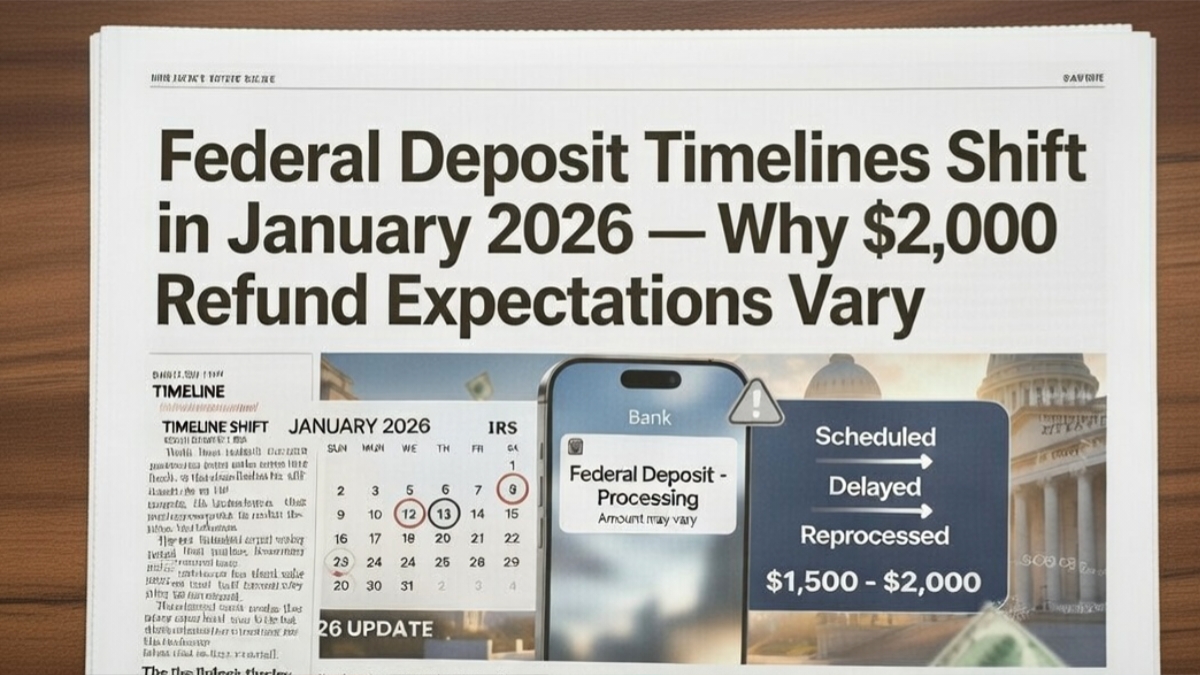
The IRS is expected to begin accepting 2025 tax year returns in late January 2026, consistent with recent filing seasons. Once a return is received electronically, confirmation is usually sent within hours. From there, most error-free refunds with direct deposit fall into a 10-to-21-day processing window, depending on volume and complexity.
Real-world timelines, however, vary. Early filers in quieter periods often see deposits hit their accounts within two weeks. Returns filed closer to peak season late February through early April can move slower. The IRS refund schedule is less about calendar dates and more about workflow pressure, which shifts daily during filing season.

Credits, Compliance, and Why Some Refunds Wait Longer
Refund delays are not evenly distributed. Filers claiming the Earned Income Tax Credit or Additional Child Tax Credit face mandatory holds until mid-February under federal law. This policy, introduced to reduce fraud, affects millions of working families each year. Even with early filing, these refunds rarely arrive before late February.
Beyond credits, refunds can stall for quieter reasons. A single mismatched Social Security number, outdated bank details, or missing income form can trigger a manual review. According to tax professionals, these small errors account for a significant share of delays often unnoticed by filers until weeks have passed.

Tracking Refunds in a More Digital IRS
Compared with previous decades, today’s taxpayers have far more visibility into their refund status. Tools like “Where’s My Refund?” and the IRS2Go app provide daily updates once a return is logged. These platforms do not speed up processing, but they reduce uncertainty by showing whether a return is still under review or approved.
The IRS online account system adds another layer of transparency. Filers can view prior-year data, notices, and account changes in one place. While not flawless, this shift toward digital access reflects a broader modernization effort one aimed at reducing phone backlogs and empowering taxpayers with self-service information.

Expert Views on Speed, Security, and Expectations
Tax experts caution against treating refunds as guaranteed windfalls arriving on fixed dates. “The IRS works in ranges, not promises,” says Rakesh Malhotra, a Mumbai-based financial analyst who studies US tax administration for global clients. “Most refunds arrive quickly, but the system is designed to pause when something looks off even if the filer did nothing wrong.”
Malhotra notes that electronic filing and direct deposit remain the single most effective ways to avoid delays. Paper returns, though declining, still account for disproportionate backlogs. From a policy perspective, speed is now secondary to accuracy, reflecting lessons learned from large-scale fraud cases over the past decade.
Comparing 2026 With Earlier Tax Seasons
The 2026 tax season is expected to perform better than the chaotic years immediately following the pandemic. Processing times have stabilized, and the IRS has cleared most legacy backlogs. That said, refund timelines remain slower than pre-2020 norms, particularly for returns requiring human review.
Compared with 2024 and 2025, fewer systemic delays are anticipated, assuming no major tax law changes late in the year. However, experts warn that any expansion of credits or emergency relief similar to pandemic-era measures could once again stretch IRS capacity and affect refund delivery speeds.
Why Refund Timing Still Matters Economically
Refund timing is not just a personal finance issue; it has broader economic effects. Early-season refunds often feed into consumer spending, debt repayment, and savings contributions. For lower- and middle-income households, delayed refunds can mean postponed bills or increased reliance on short-term credit.
From a policy lens, predictable refunds build trust in the tax system. When refunds arrive on time, compliance improves. When they don’t, frustration grows. This is why the IRS continues to emphasize transparency tools, even as it tightens verification standards behind the scenes.
Looking Ahead: What Filers Can Realistically Expect
For most taxpayers, the 2026 IRS refund process should feel familiar rather than alarming. Filing electronically, double-checking details, and avoiding unnecessary complexity remain the best ways to ensure timely refunds. The 21-day benchmark is still useful but only as a general guide.
As the IRS continues its gradual modernization, refund tracking will likely improve faster than refund speed itself. For now, informed expectations may be the most valuable tool filers have turning what once felt like a waiting game into a manageable part of annual financial planning.
Disclaimer: This article is for informational purposes only and reflects general IRS practices as of current guidance. Tax rules, timelines, and refund processing can change based on legislation or individual circumstances. Readers are advised to consult official IRS resources or a qualified tax professional for advice specific to their situation.